Blogpost 2: About the course
ISCI 361 has always been a course you experience as much as you study. It is built on the idea that understanding a system requires moving through it—noticing the details, seeing how each part influences the next, and listening to the voices of those who live within it. In Hawaii, that could mean standing on the rim of a volcanic crater, looking out over centuries of geological change, or sitting with community members who share how tourism has altered the rhythms of their home.
At its core, this is a course in systems thinking—learning to see how people, places, and events are tied together in ways that aren’t always obvious. Students learn to follow a thread of change through a system, see where it strengthens or unravels, and think about what it would take to keep it in balance. Until now, those lessons unfolded entirely in the field. Now,  we’re creating a way for them to unfold anywhere, even from your own desk.
The Project: Bringing the Field Course Online
Learning in the field changes the way you understand a subject. You might be standing at the base of a volcanic crater, mapping out how its landscape was shaped over centuries. Or you could be walking through a coastal community, hearing firsthand how local traditions guide the way natural resources are managed. These moments give depth to ideas that can be hard to fully grasp in a classroom. For years, ISCI 361 has offered that kind of experience in Hawaii. Travel can be expensive, timing can be difficult, and life’s obligations often make it not possible for some to experience the course.
This project opens the door for those students. We are building a digital version of the course that captures the essence of being in the field. 360 visual tours allow students to explore sites as though they were walking them in person. Interactive activities guide them through mapping systems, analyzing stakeholder relationships, and considering sustainability from multiple perspectives. Stories from the field—shared by community members, scientists, and conservationists—bring depth to the experience as well. The aim is not to replace the in-person course but to ensure its learning is available to anyone who is ready to engage with it.
Looking Ahead
Now that we’ve introduced the course, let’s catch you up on what we’ve done so far. We began meeting in May to brainstorm some sustainability themes for course modules. Once we picked those out, we moved on to develop learning objective ideas and selected virtual tours in Hawaii to go with them. After that, we brainstormed assessment ideas that connected to our learning objectives. Along the way, we familiarized ourselves with UDL practices and how to integrate them into our course content. Now, we are storyboarding each module and putting all of these pieces together!
Blogpost 1: Turning your Hokas into browser tabs — so every student can explore Hawai‘i’s ecosystems and cultures without leaving campus
It’s not every day you get to bring a field course across the Pacific without boarding a plane. Over the past few months, we have been working on something that feels both ambitious and overdue. We are transforming the Integrated Sciences Hawaii field course into a fully immersive online experience. For years, this course has taken students into lush valleys, across volcanic landscapes, and along coral reefs to explore the interconnected systems that shape both culture and ecology. Not everyone can step away from work, family, or other commitments to spend two weeks in the field, so we wanted to make sure those students could still engage with the same depth of learning.
Meet the Project Team
Every project like this comes to life because of the people behind it. We’re a small group of students and faculty, each bringing different skills and perspectives, all working toward the same goal: making this course something every student can step into, wherever they are.
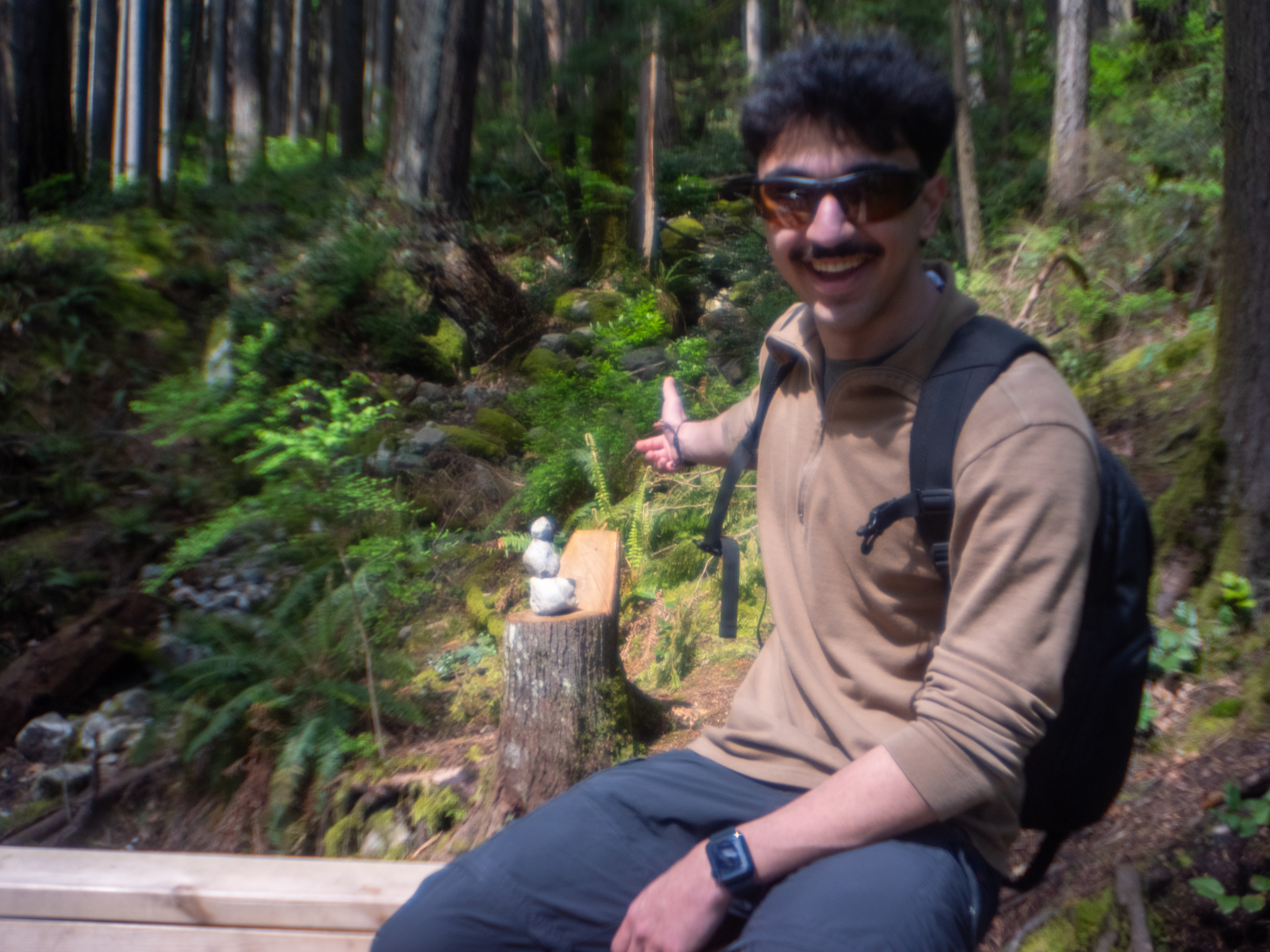
Ilya
I’m in my third year and I’m integrating psychology, pharmacology, and physiology. I’ve been lucky enough to work with Denise and Steve on this project, bringing my skills in visual media, storyboarding, and systems thinking to the mix. It’s been exciting to help shape a course that feels immersive and accessible, and I can’t wait for you to explore it.
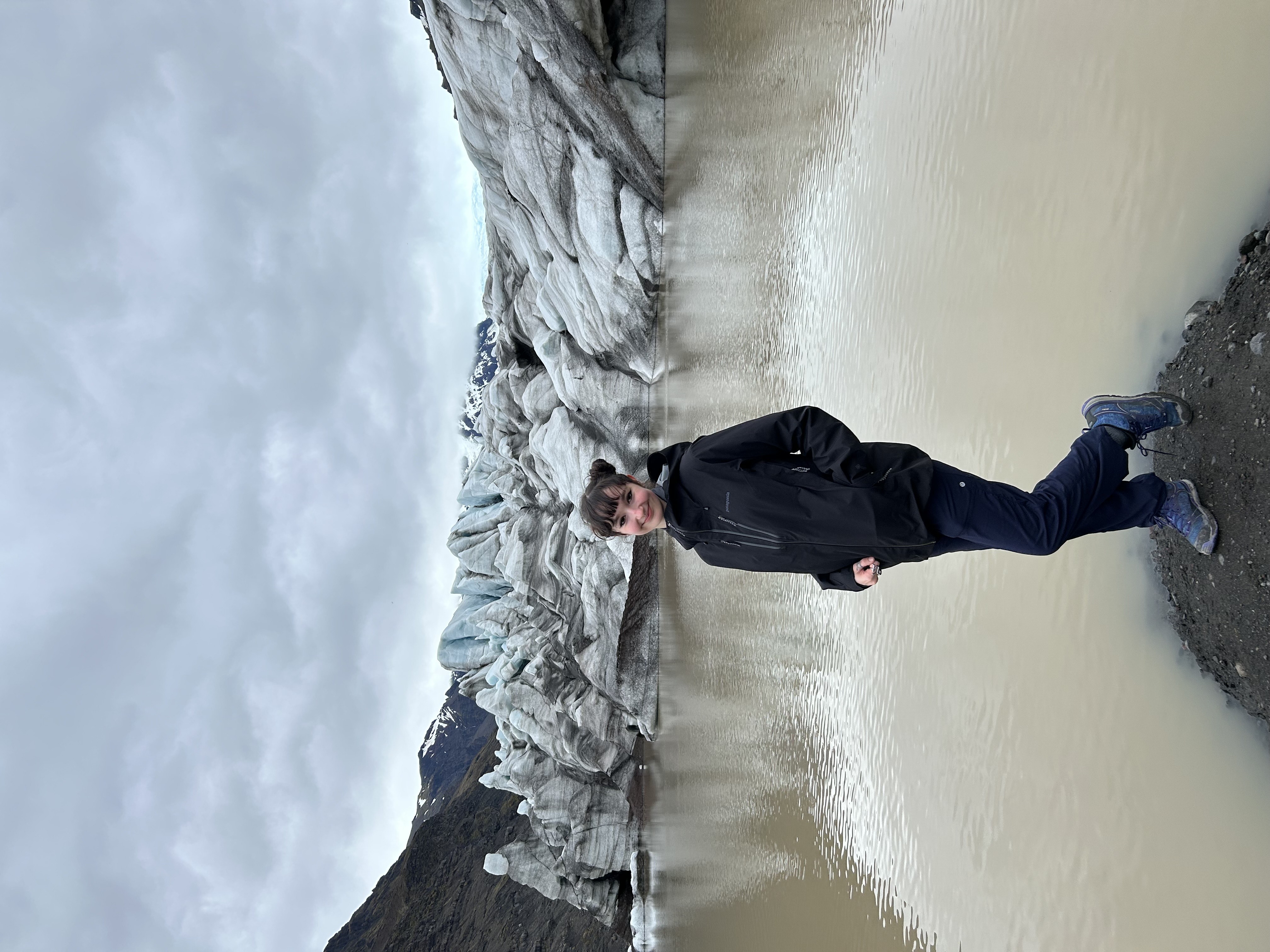
Grace
I am entering my fourth year, integrating neuroscience and genetics. Completing the Iceland field course has become a highlight of my undergraduate experience, and I am excited to be a part of the process of creating a more accessible version.
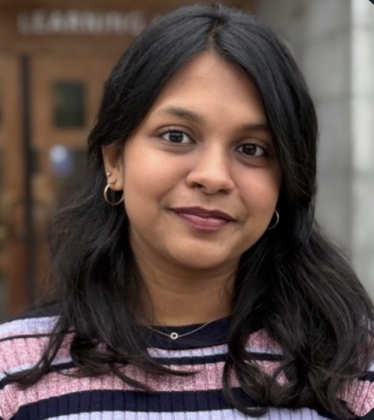
Drishti
I am in my third year, integrating data science, behavioural science and system design in my degree. I am exploring the universal design for learning aspect of this project and contributing to the curriculum design. It’s been fascinating to get a behind-the-scenes look at how university courses come together, especially one with such an immersive learning component. I’m so excited for you all to experience what we’ve been working on!

Denise
This is my seventh season teaching systems and sustainability, both in the classroom and abroad. I learn every day from the students that I have had the pleasure to encounter over these years and to hear them reflect on how they continue to use this toolkit in their academic and community experiences. I view this project as a stepping stone to broadening the reach of the transformative learnings I have been able to share with students over the years.
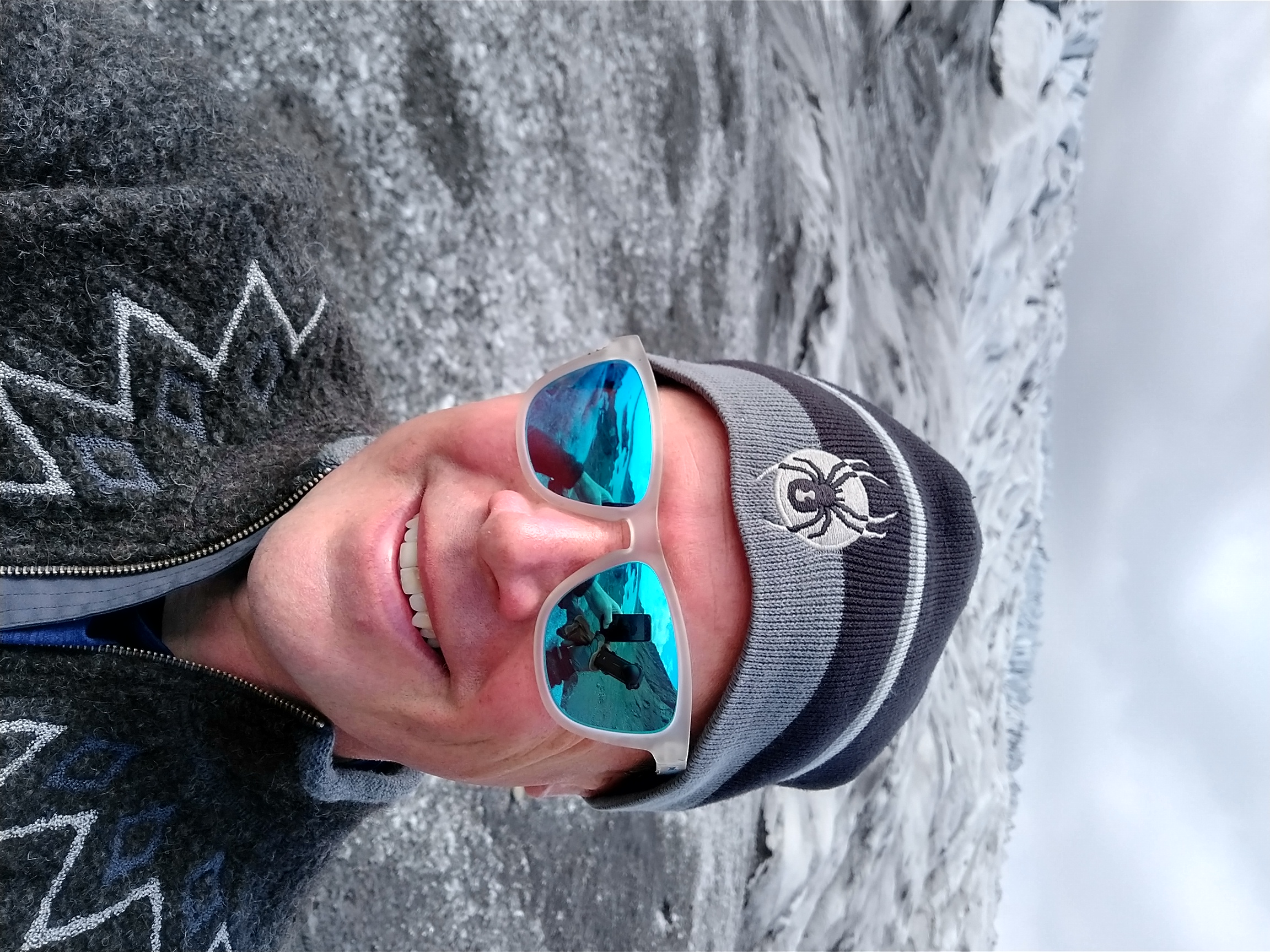
Steve
I have 20 years teaching field courses and working with this team is an exciting next step in my career. Embarking on a new task like this is fun and learning along the way is the point of all of this, isn’t it?